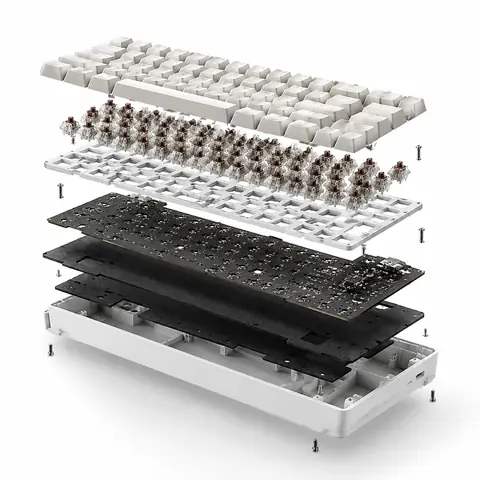
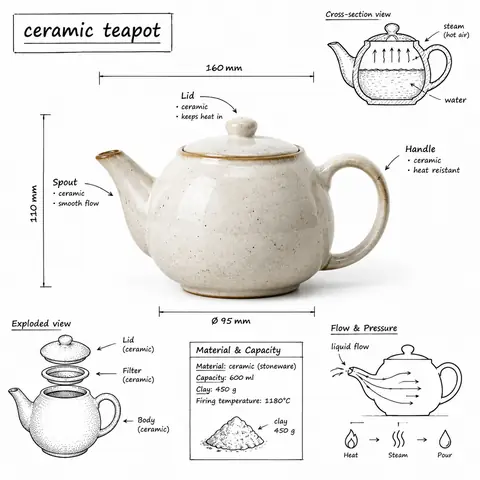
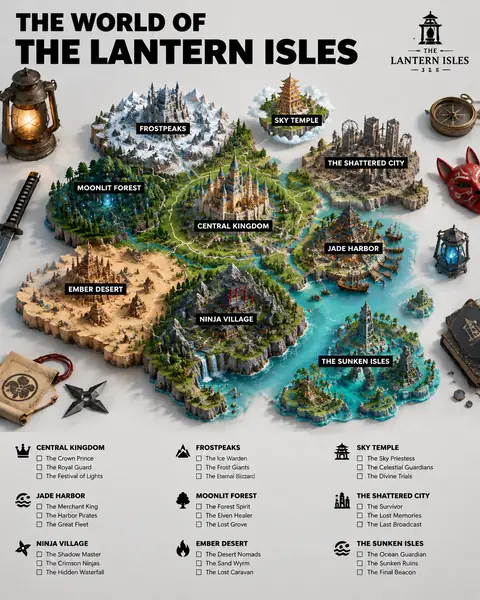
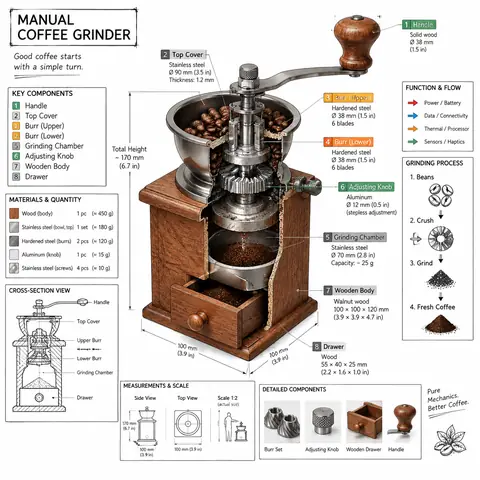
This one-paragraph template gets its look from a single inversion: instead of dark lines on white, it draws white chalk-style blueprint sketches over a real photograph, so the landmark and its sky stay visible behind the diagrams. The list of overlays (measurements, material quantities, internal diagrams, load-flow arrows, cross-sections and floor plans) fills the frame like an architect's presentation board. Our Dutch windmill result has a front elevation, sail detail, a 'how it works' sequence and floor plans around a photoreal mill at golden hour. The numbers are invented, and one unit was wrong (thatch in cubic metres), so treat the data as decoration unless you verify it.
How to adapt it
Variable
What it changes
Examples
[LANDMARK]
building or structure to annotate
a traditional Dutch windmill, a lighthouse, a stone arch bridge
white chalk-style sketches
annotation style
cyan blueprint lines, black ink on a sepia photo
included diagrams
which technical views to add
floor plans and cross-section, load-flow arrows only
Tips
Generic landmarks such as 'a lighthouse' avoid factual claims about a specific real building.
Ask for fewer diagram types if labels overlap; three or four is plenty.
Verify any numbers before publishing; the model invents plausible-looking data.